AEO vs Traditional SEO: What’s the Difference and Why It Matters
Facebook
LinkedIn
X
WhatsApp
In the ever-evolving world of digital marketing, staying updated with the latest strategies is crucial to maintain a competitive edge. Search Engine Optimization (SEO) has been a staple for online visibility for years. However, a new approach is gaining attention Answer Engine Optimization (AEO). While both strategies aim to increase online presence, they cater to different user behaviors and search engine developments. In this article, we’ll explore the key differences between AEO and traditional SEO, and why understanding both is essential for modern digital strategies.
What is Traditional SEO?
Traditional SEO refers to the process of optimizing content, structure, and other website elements to improve rankings in search engine results pages (SERPs), primarily on platforms like Google, Bing, and Yahoo.
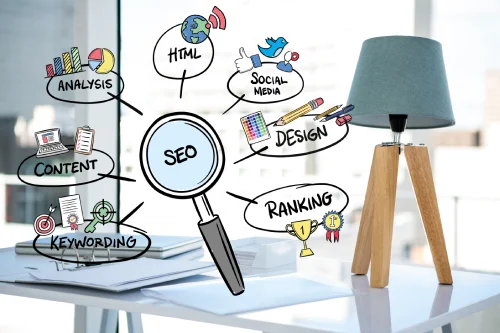
Key Components of Traditional SEO:
Keyword Optimization: Targeting keywords that users commonly search.
Off-page SEO: Building backlinks to improve domain authority.
Technical SEO: Optimizing site speed, mobile-friendliness, and indexability.
The Goal of SEO:
The primary goal of SEO is to rank higher in search results, drive organic traffic, and ultimately convert visitors into customers.
What is AEO (Answer Engine Optimization)?
Answer Engine Optimization is the practice of optimizing content to answer users’ specific questions directly especially for voice search, AI-driven assistants (like ChatGPT, Google Assistant, and Alexa), and featured snippets in search engines.
Why AEO is Gaining Popularity:
In today’s world, an increasing number of users are turning to voice search and intelligent assistants. Instead of typing keywords like “best digital camera,” users ask, “What is the best digital camera for beginners in 2025?” AEO is dedicated to addressing these intricate, conversational inquiries.
Key Elements of AEO:
Structured Data (Schema Markup): Helps search engines understand and display content as rich results.
Question-Based Content: Using FAQs and natural language to answer user questions.
Entity-Based Search Optimization: Focuses on people, places, things (entities) instead of just keywords.
Featured Snippet Targeting: Formatting content to appear in Google’s direct answer boxes.
Why AEO Matters in Today’s Landscape :
1. Rise of Voice and Conversational Search
With the widespread use of mobile devices and smart assistants, more people are using natural, question-based queries. AEO addresses this trend by focusing on concise, accurate, and structured answers.
2. Search Engines Are Evolving
Search engines are shifting from keyword-based to intent-based systems. Google’s algorithms (like BERT and MUM) aim to understand context and semantics. AEO fits perfectly into this shift, making content more accessible to these smarter engines.
3. Zero-Click Searches Are Growing
Many users now get the answers they need directly from the SERP without clicking through to a website. AEO helps your content appear in these featured snippets, increasing brand visibility even without a click.
4. Better User Experience
By providing clear, structured, and direct answers, AEO improves user satisfaction. Users tend to trust and interact more with websites that provide useful and easily comprehensible information.
Why Traditional SEO Still Matters in Today’s Landscape
1. Organic Traffic Is Still King
Even with zero-click searches and AI answers on the rise, most website traffic still comes from organic search. Landing on Google’s first page can be a decisive factor for a business, particularly in fiercely competitive sectors.
2. Builds Trust and Authority
Ranking high in search engines naturally builds trust among users. SEO helps position your website as an authoritative source, especially when combined with quality backlinks and evergreen content.
3. Supports Long-Term Growth
SEO is a long-term investment. Unlike paid ads, which stop delivering results once you stop paying, good SEO can bring traffic for months or even years after the initial effort.
4. Essential for E-Commerce and Service-Based Websites
Whether you’re selling products or offering services, SEO helps your pages rank when potential customers search for relevant terms like “best running shoes” or “plumber near me.”
Conclusion: SEO and AEO Should Work Together
As technology continues to advance, users are shifting from keyword searches to natural, question-based conversations. While traditional SEO lays the groundwork for online visibility, Answer Engine Optimization is the future of how people will find and consume information.
Businesses that embrace both AEO and traditional SEO will be better positioned to dominate both conventional search engines and the rising wave of AI-powered assistants. Whether you’re a digital marketer, content creator, or business owner, aligning your strategy with both approaches ensures long-term online success.
Explore more helpful digital marketing insights onCodeFormats.com– your one-stop platform for SEO, tech tutorials, web design, and more!
Newsletter
Sign up our newsletter to get update information, news and free insight.
FAQ – AEO vs Traditional SEO: What’s the Difference and Why It Matters
Q1. What is AEO (Answer Engine Optimization)?
A:AEO is the process of optimizing your content specifically to answer users’ questions directly within platforms like Google Search, voice assistants, and AI chatbots. It’s about delivering concise, structured answers rather than just ranking on SERPs.
Q2. How is AEO different from traditional SEO?
A: Traditional SEO focuses on ranking pages high in search engine results using keywords, backlinks, and technical elements. AEO goes further by structuring content to satisfy search intent instantly, often in featured snippets, knowledge panels, or voice search answers.
Q3.Does AEO replace traditional SEO?
A:No they work together. Traditional SEO ensures your content is discoverable, while AEO ensures it’s structured and clear enough to be featured as a direct answer.
Q4. Is voice search connected to AEO?
A: Yes. Voice assistants rely on content that’s easily scannable and structured, making AEO crucial for ranking in voice search responses.