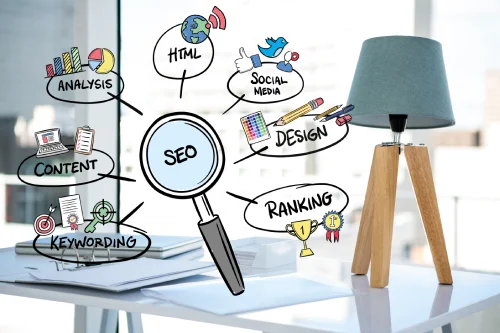
SEO in 2025: Navigating the Future of Search Engine Optimization
As we progress through 2025, the landscape of Search Engine Optimization (SEO) continues to evolve rapidly. Keeping pace with these developments is essential for digital marketers and businesses seeking to sustain or enhance their online presence. This article explores the most pivotal SEO trends influencing the sector this year.
1. Embracing AI-Driven Content Creation
Artificial Intelligence (AI) has become a cornerstone in content development. Platforms like Wix have introduced AI tools capable of generating complete SEO-optimized blog posts, including imagery. These tools assist users by producing AI-generated drafts or outlines, which can serve as the foundation for authentic, user-generated content. The incorporation of AI in content generation not only streamlines the creation process but also improves the relevance and quality of the output.
2. Prioritizing User Experience and Core Web Vitals
Google’s emphasis on user experience has intensified, with Core Web Vitals becoming a significant ranking factor. These indicators evaluate a webpage’s speed of loading, degree of interaction, and visual consistency. Websites that provide a seamless and captivating user experience have a higher tendency to achieve better rankings in search results. Ensuring fast loading times, mobile responsiveness, and intuitive navigation are essential steps in optimizing for Core Web Vitals.
3. The Rise of Voice Search Optimization
Users now frequently perform searches using natural language queries. Tailoring content for voice search requires an emphasis on conversational keywords and ensuring that content directly addresses common inquiries. Implementing structured data and creating FAQ sections can also enhance a website’s visibility in voice search results .
4. Leveraging Video Content for Enhanced Engagement
Video content continues to dominate online platforms, with projections indicating that it will account for over 80% of all internet traffic by the end of 2025. Integrating video into SEO tactics can significantly boost user interaction and duration on web pages. Optimizing videos with relevant keywords, compelling thumbnails, and accurate transcripts can improve their discoverability in search engine results .
5. The Importance of E-E-A-T (Experience, Expertise, Authoritativeness, and Trustworthiness)
Google’s E-E-A-T standards have become progressively important in evaluating the quality of content. Websites that demonstrate genuine expertise and authority in their respective fields are more likely to be favored in search rankings. To enhance E-E-A-T, businesses should provide clear author information, cite reputable sources, and ensure that content is accurate and well-researched. As we move deeper into 2025, organizations that invest in mature, component-driven design systems are reaping the benefits: faster releases, lower development costs, fewer bugs, and higher user satisfaction. These frameworks represent a fundamental transformation in how we construct digital products, viewing them not as a series of isolated screens, but as interconnected experiences.
6. Adapting to Mobile-First Indexing
Google’s mobile-centric indexing signifies that the mobile edition of a website is regarded as the main format for ranking considerations. Making websites mobile-friendly is now a necessity rather than an option. Responsive design, fast loading times, and mobile-optimized content are critical components in adapting to this shift. Regular testing across various devices can help identify and rectify potential issues.
7. Implementing Structured Data and Schema Markup
Structured data and schema markup furnish search engines with extra context about the content on a webpage. This can result in improved search results, such as rich snippets, which may enhance click-through rates. Implementing schema markup for products, reviews, events, and articles can make content more accessible and understandable to search engines, thereby boosting SEO performance.
8. Focusing on Local SEO
For enterprises aiming at local clientele, optimizing for local SEO is essential. This includes creating and optimizing a Google My Business profile, encouraging customer reviews, and ensuring that local keywords are incorporated into content. Local SEO helps businesses appear in location-based searches, driving more relevant traffic and potential customers.
9. Monitoring and Adapting to Algorithm Updates
Search engine algorithms are continually evolving. Staying informed about updates and understanding their implications can help businesses adjust their SEO strategies accordingly. Regularly monitoring website performance, analyzing traffic sources, and staying updated with SEO news can provide insights into necessary adjustments and improvements.
10. Building High-Quality Backlinks
Backlinks remain a fundamental aspect of SEO. However, the focus has shifted from the quantity of backlinks to their quality. Acquiring backlinks from trustworthy and relevant sites can greatly strengthen a site’s authority and search standings. Participating in guest blogging, creating shareable content, and networking within industry circles are effective tactics for cultivating high-quality backlinks.
Facebook
LinkedIn
X
WhatsApp
Newsletter
Sign up our newsletter to get update information, news and free insight.